We can all agree that the marketplace is… crowded. No matter what industry you’re in, finding your niche these days can be a challenge. So what helps set you apart? Is it your enigmatic online persona that you share with the world via your socials? Your brand colours? The way your website looks sleek and polished? The answer to these prompts? Perhaps. Not really. It can help… We’d argue that while all of those things are good for business, the way your brand looks, feels, comes across, takes up visual space are probably what’s grabbing audience attention the most at the moment.
The thing is: captivating visuals aren't just a nice-to-have; they're essential for cutting through the noise. When it comes to product photography, two dominant styles reign supreme: the flat lay and lifestyle imagery. Both offer your brand distinct advantages, but understanding which one will resonate most effectively with your target audience and drive conversions will depend heavily on your specific industry and brand aesthetic.
Here are the nuances to take note of so the next time you brief us to shoot some product images for you, you know what to ask us for…
FLAT LAYS
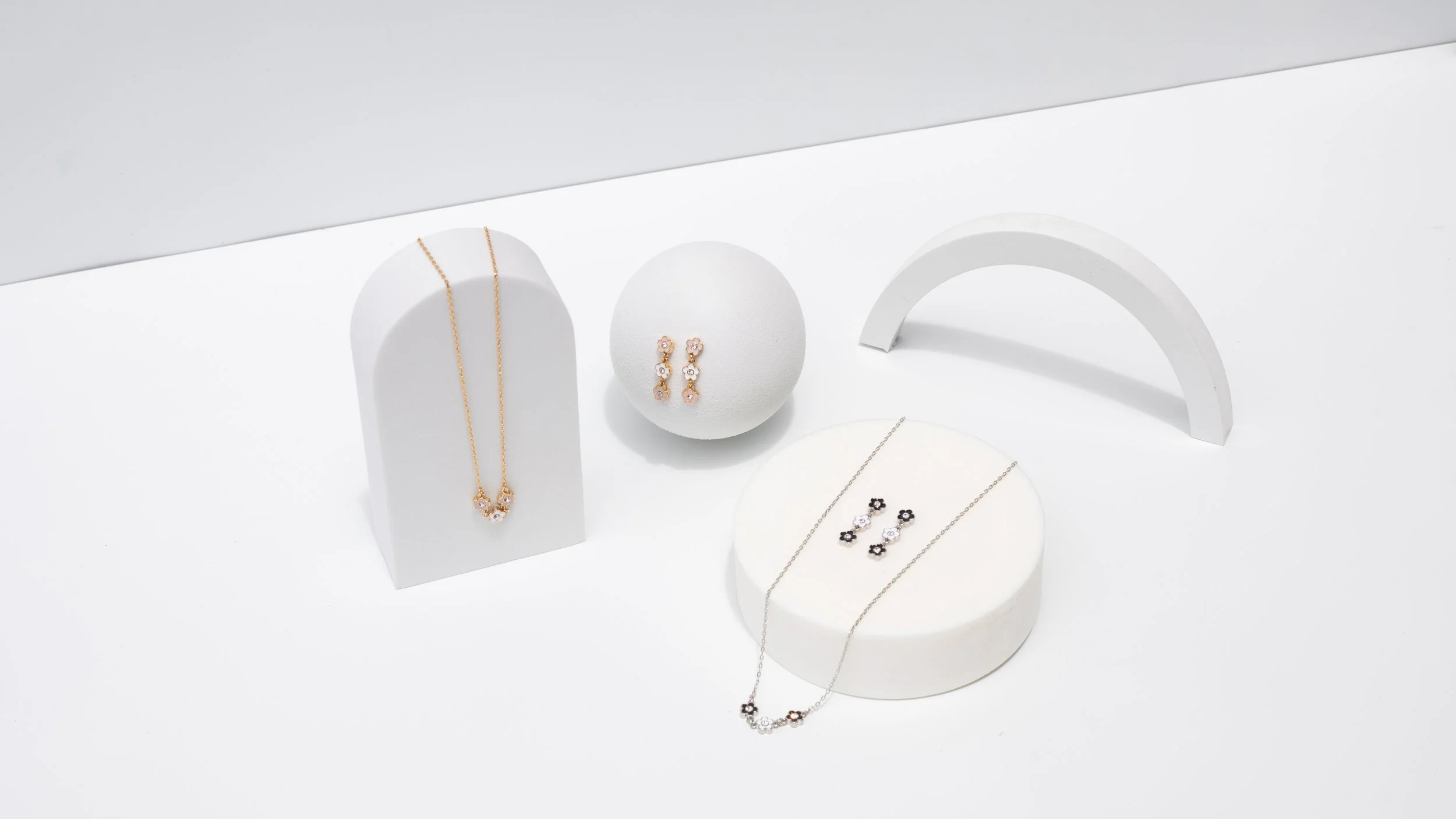
A flat lay photograph presents items arranged artfully on a flat surface, shot from directly above. Think of it as a carefully curated still life. Here’s when a flat lay will come in handy:
E-commerce (small, intricate products): Jewellery, stationery, cosmetics, small accessories, or even gourmet food items benefit immensely. The direct overhead view allows for clear display of detail, texture and size / scale.
"Kit" or "bundle" showcases: Ideal for displaying product collections, subscription box contents, or complementary items together in an organised, appealing way.
Instructional or ingredient-focused: Especially handy when you want to show all the components of a DIY kit or highlight specific ingredients in a beauty product / recipe etc.



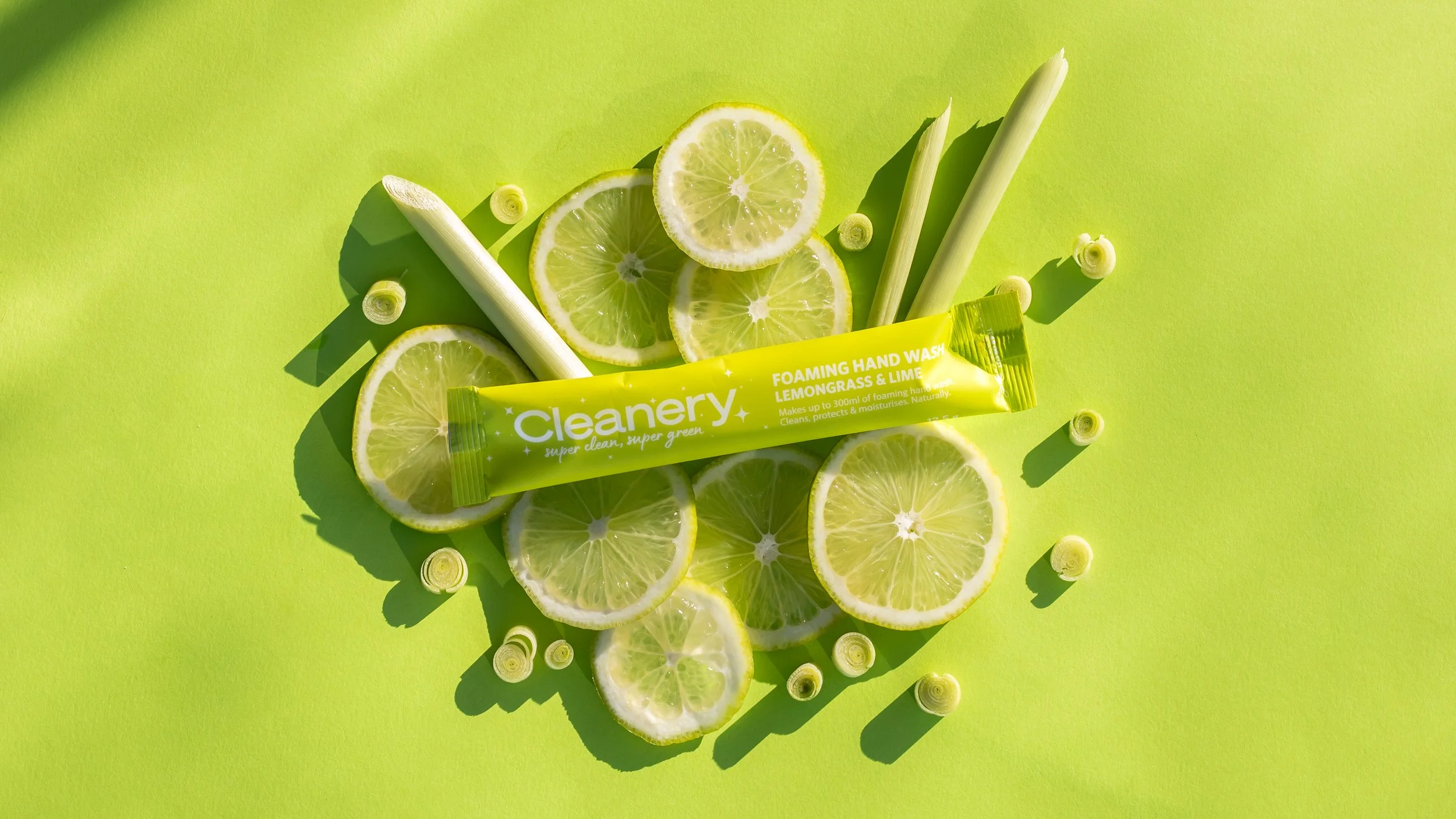
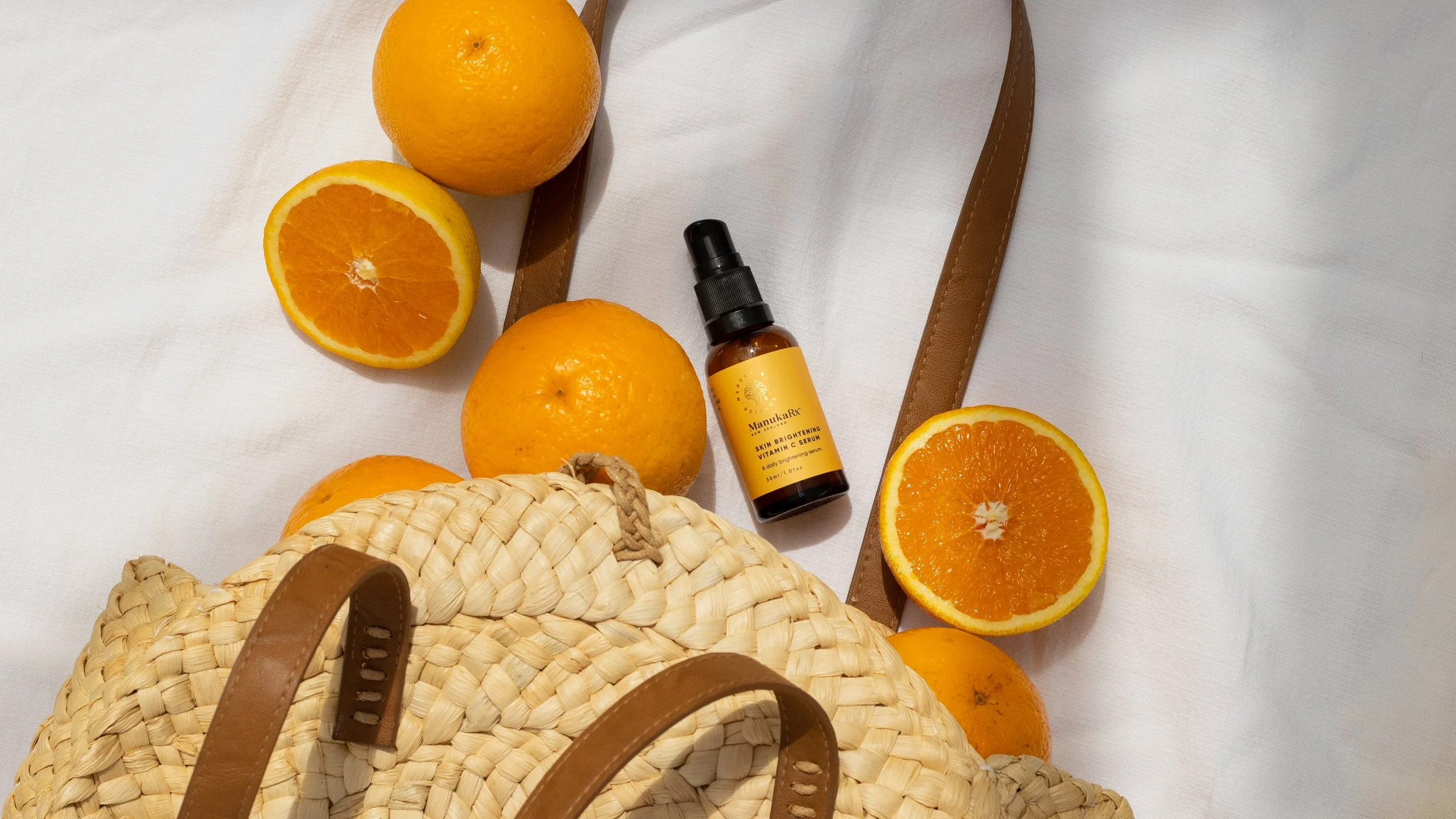

Why all the fanfare?
Flat lays appeal to customers who prioritise product specifics, appreciate visual order and are looking for a clear, uncluttered view of what they're buying. The aesthetic precision often conveys a sense of quality and attention to detail from the brand itself.
When wouldn’t a flat lay work?
While flat lay photography is versatile, it’ss essentially a two-dimensional medium. It relies on a "birds-eye" view from 90 degrees above, so it tends to fail when a product’s best features lie in its shape, scale, or movement. So:
Large-scale furniture items like sofas, dining tables or even floor lamps wouldn’t translate well through this approach because you lose the sent of scale and height
Highly reflective surfaces like mirrors or framed art are a NIGHTMARE for flat lay photography. Rather shoot these items at an angle or in a room environment.
Anything that needs to be worn to really sell itself like clothes look unappealing and limp when laid out flat. You also won’t see how the fabric moves or contours to the body.
LIFESTYLES
Lifestyle photography captures products in use (such as in real-world settings) and often feature people interacting with the item. It tells a story and aims to evoke an emotion or illustrate an experience. Here are some industries that could really benefit from lifestyle photography versus flat lays:
Fashion & apparel: Customers need to see how clothes drape, fit and look on a human body. Lifestyle shots demonstrate style, movement and the overall "feel" of an outfit.
Home decor & furniture: Lifestyles will help customers visualise how a couch will look in a living room, or how a piece of art will transform a space.
Outdoor gear & travel: Products like backpacks, hiking boots, or travel accessories are best shown in their intended environment, highlighting their functionality and the adventures that await the purchaser.
Food & beverage (if you’re wanting to showcase a brand experience): While flat lays can show ingredients, lifestyle shots capture the enjoyment of a meal, the clinking of glasses or the cozy atmosphere created by a cup of coffee.
Service-based businesses: Even without a tangible product, lifestyle photography can showcase your team in action, client interactions, or the environment where your services are delivered, building trust and connection.

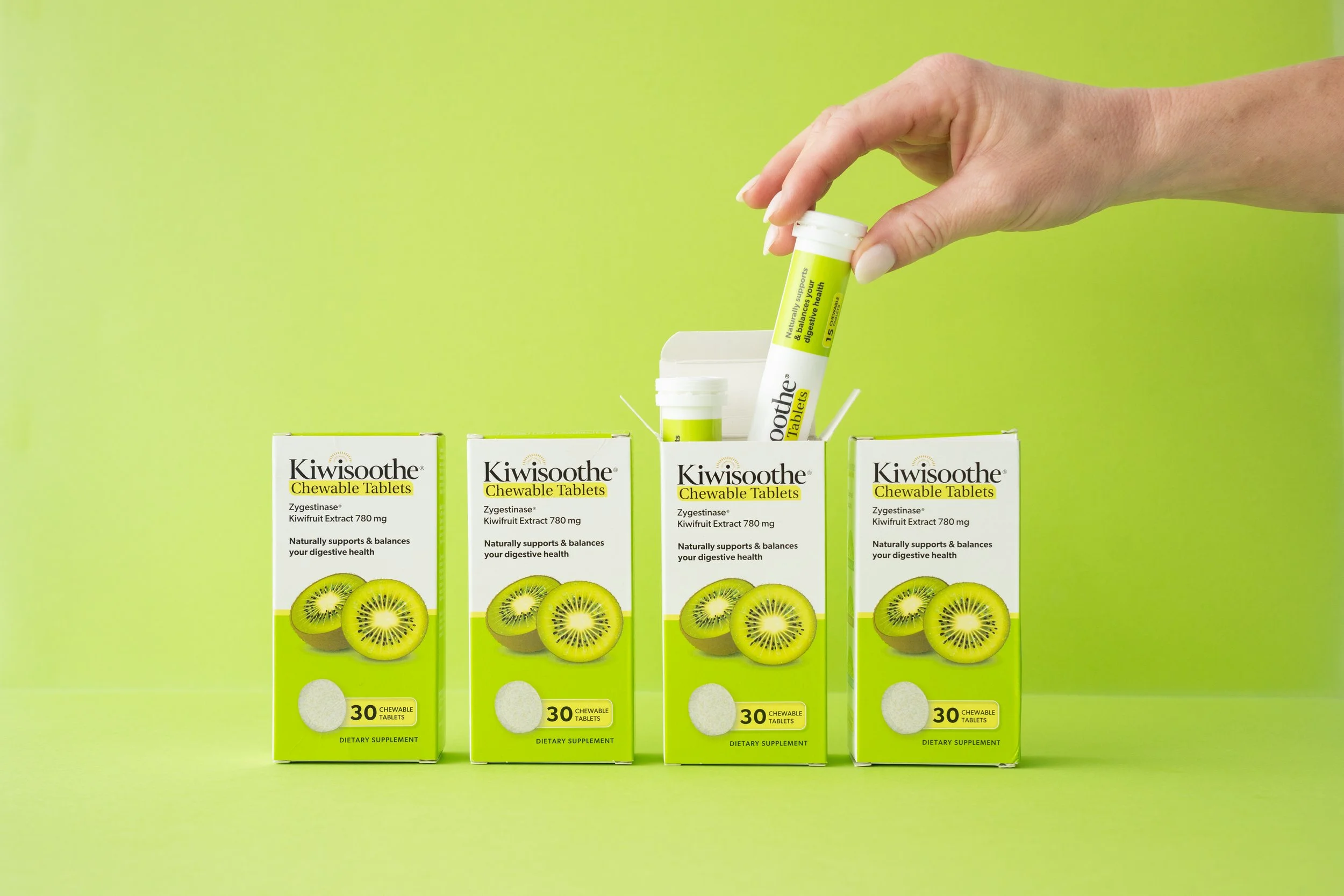
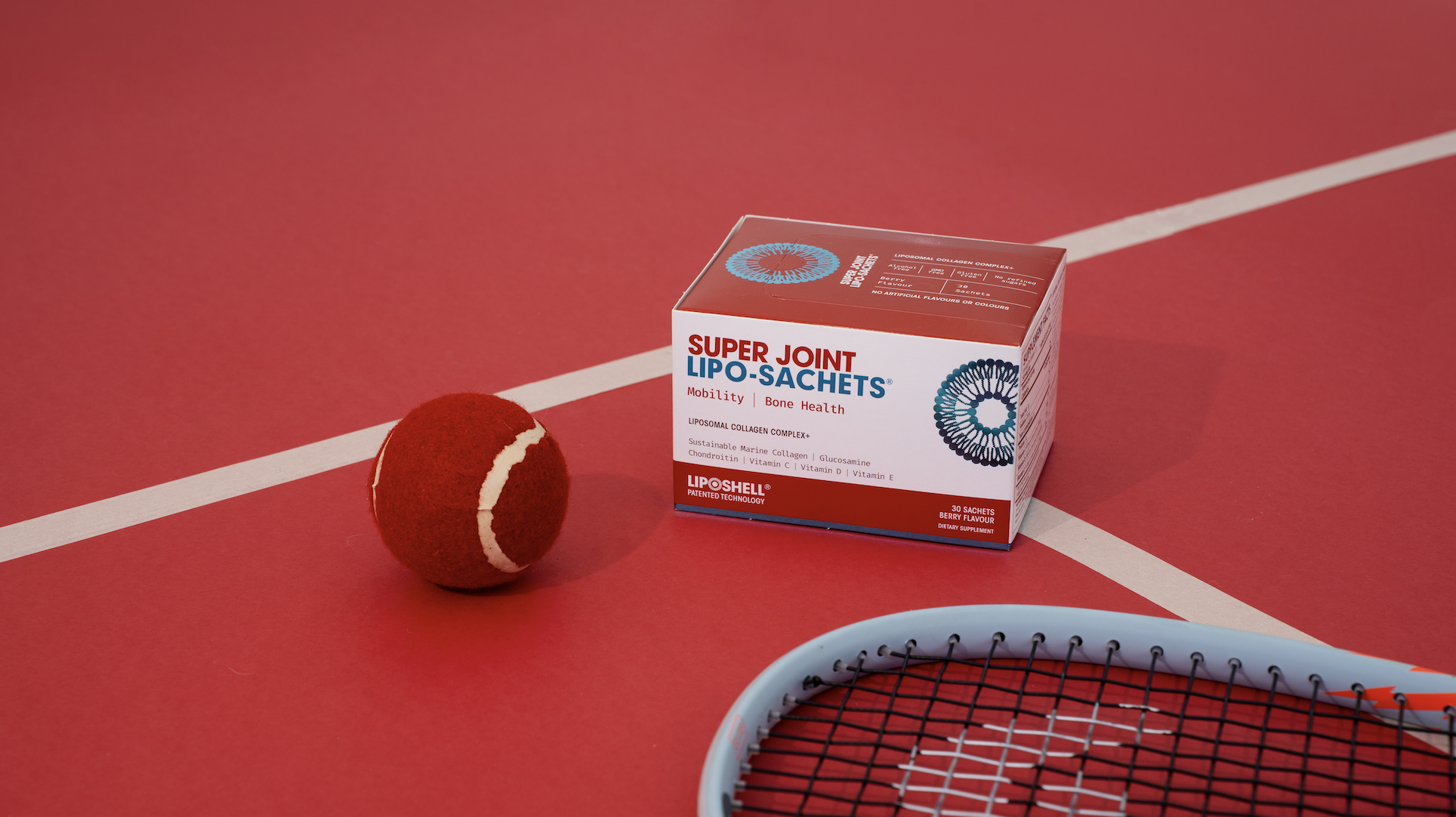
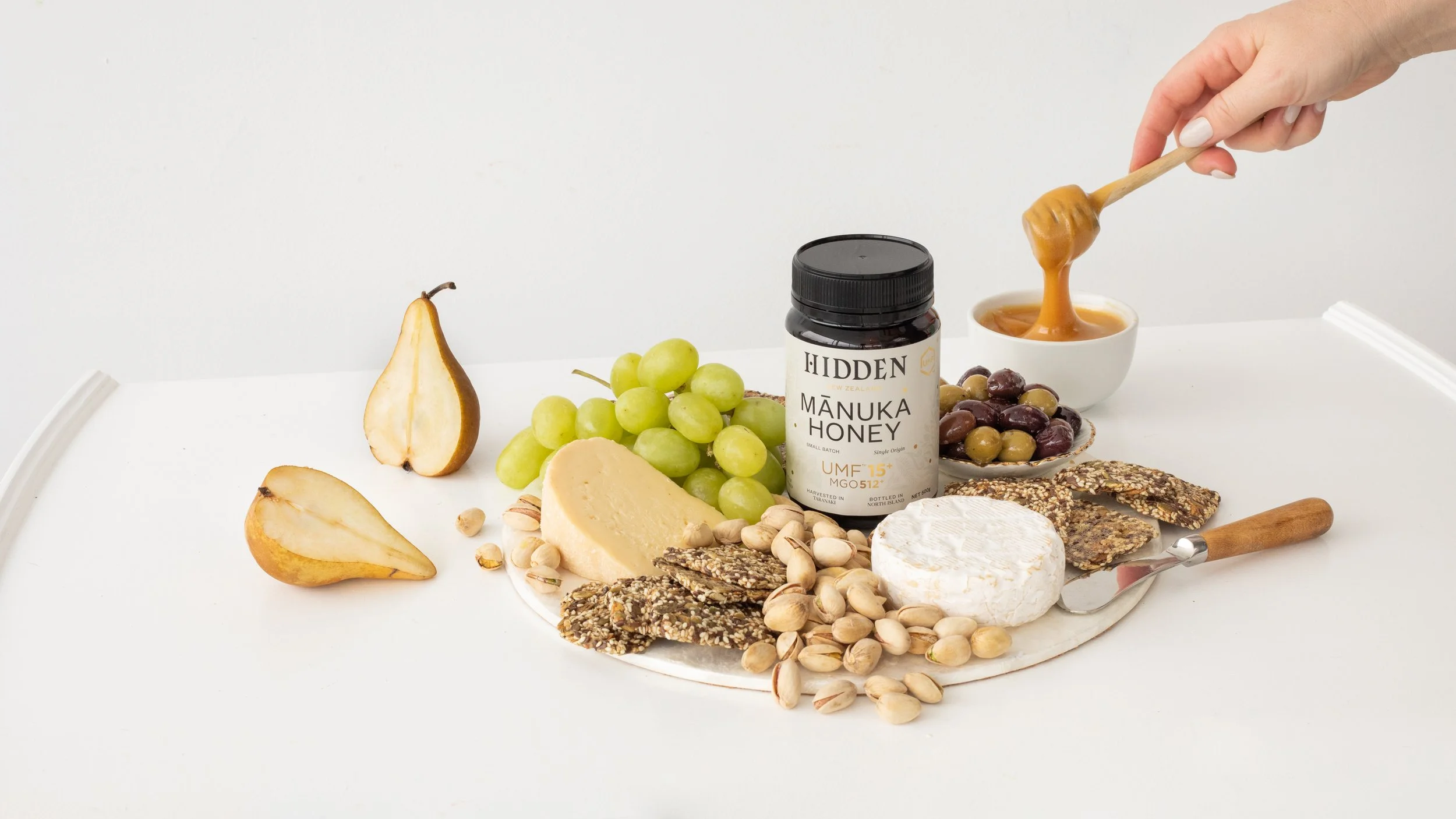
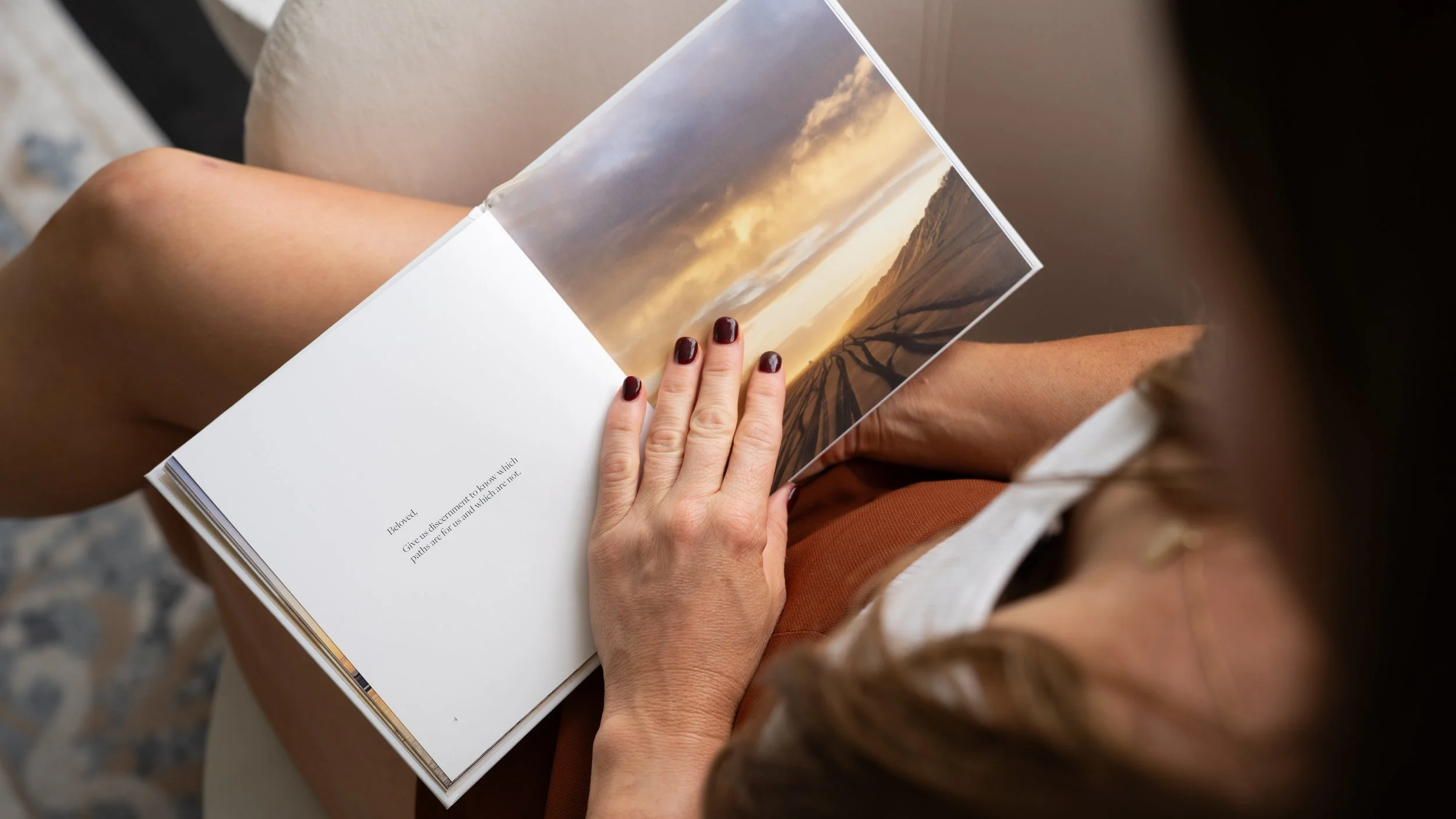
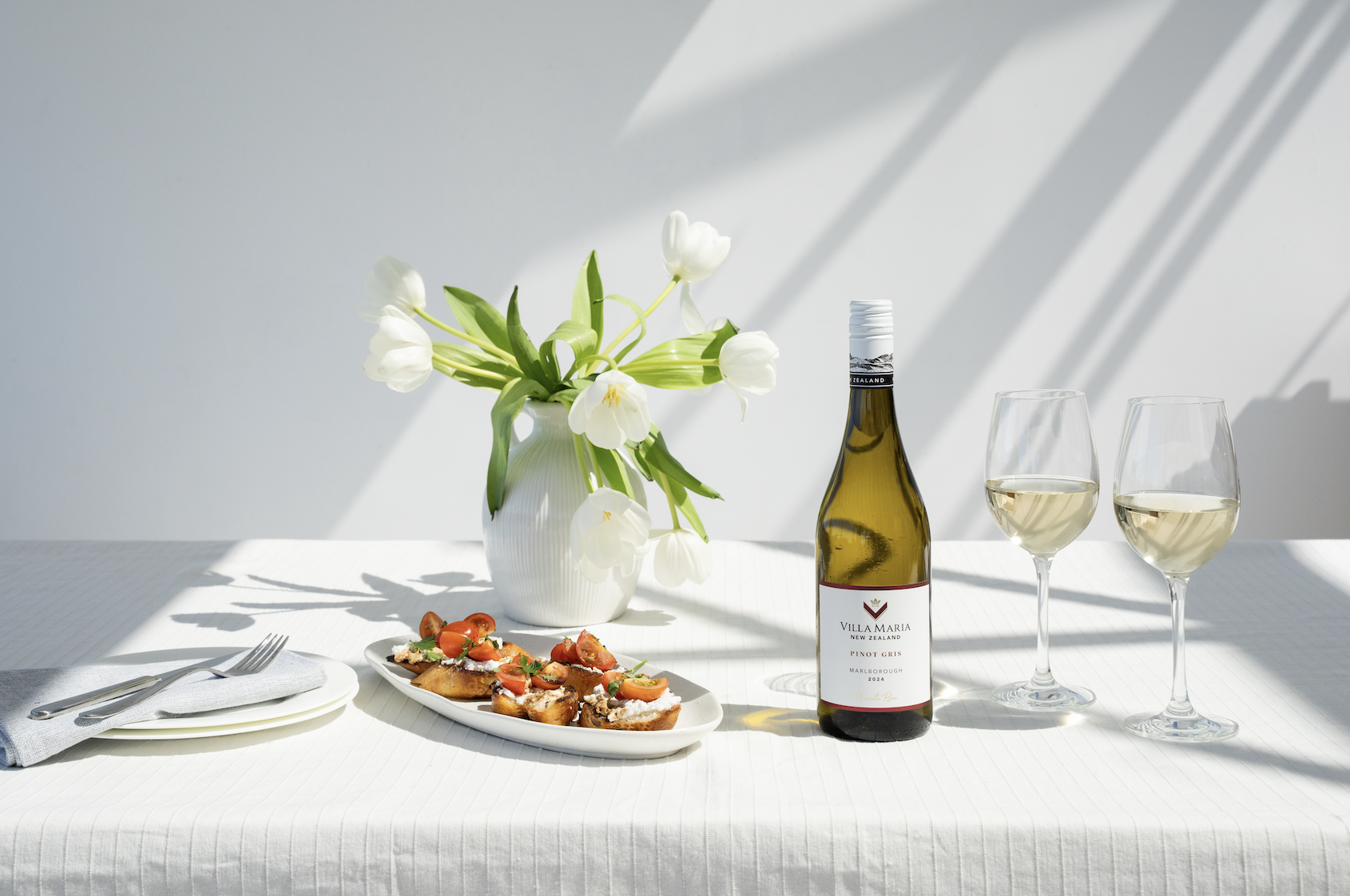
Why the fanfare?
Lifestyle photography builds an emotional connection. It helps customers envision themselves using the product, experiencing its benefits, and integrating it into their own lives. This aspirational quality can be a powerful conversion driver, turning a product into a solution or a desired experience.
When wouldn’t a lifestyle approach work?
While many see lifestyle photography as the "gold standard" at the moment (especially for social media), there are specific scenarios where it can actually hurt your conversion rates. In the world of e-commerce, lifestyle images provide the "vibe," but they often fail when the customer is in the "logical" phase of the buying journey.
Marketplace compliance (looking at you, Amazon and Google Shopping…): Most major marketplaces have strict "Main Image" requirements. If you use a lifestyle shot (the product in a room or on a model) as your primary listing photo on Amazon, your listing may be suppressed or rejected. These platforms generally require a pure white background (RGB 255, 255, 255) with the product occupying at least 85% of the frame. Lifestyle shots are too "busy" for their search algorithms.
When you need to be SUPER pedantic around recision / detail: Selling technical gear, electronics, or skincare with specific textures? Lifestyle lighting could be a hindrance… Depending on how you want it shot, we often use "moody" lighting, shadows to give the image some life. This can distort the true colour of a product or hide small but vital features (like ports on a camera or the specific grain of leather). When a customer wants to know exactly what they are getting, they want a clean, evenly lit studio shot.
Purchase ambiguity (you won’t believe how often this could be a problem…): If you’re selling a vase but the photo shows it on a beautifully styled table with a lamp, three books and a candle, the customer might feel a moment of “wait, can I buy that candle from you too?” or “where is that lamp from?”.
Comparison pages: When a customer is looking at a category page (e.g., "All Men's T-shirts"), they want to compare items quickly. If every thumbnail is a different lifestyle shot (say one person is at the beach, another is in a cafe, another one in a forest), it becomes impossible for the eye to compare the actual products. This is why most successful e-commerce sites use consistent studio shots for the grid and save lifestyle shots for the individual product page or headers.
And if you’re unsure which camp you should fall into, get in touch with us and we can guide you through the options. We’ve worked with TONS of businesses from across various industries, so we know what works, what doesn’t and where a mixture of flat lays and lifestyles may come in handy.